
Manual Driving Lessons
How to Drive a Manual Car
Join our Female Automatic Driving Lessons and take the first step towards safe, independent driving. Our friendly, qualified female instructors are here to guide you through every stage — whether you’re a complete beginner or just need a confidence boost. Learn in a relaxed environment tailored to your pace and comfort.
EXPLORE MORE DRIVING LESSONS
Automatic Driving Lessons
COURSE DETAILS
- Excellent 1st Time Pass Rate
- Friendly Learning Environment
- DVSA Approved Instructors
- Recommended by Customers
- No Hidden Charges
Manual Driving Lessons
Course Details
- Excellent 1st Time Pass Rate
- Friendly Learning Environment
- DVSA Approved Instructors
- Recommended by Customers
- No Hidden Charges
Intensive Driving Lessons
COURSE DETAILS
- Excellent 1st Time Pass Rate
- Friendly Learning Environment
- DVSA Approved Instructors
- Recommended by Customers
- No Hidden Charges
How to Drive a Manual Car
Driving a manual car is an important skill that many learners still prefer to master, even though automatic cars are becoming more popular. Manual vehicles give drivers more control over speed, power, and efficiency. Learning to drive a manual car may seem challenging in the beginning, but with the right guidance and consistent practice, anyone can become confident behind the wheel. Understanding how to use the clutch, gears, and accelerator together is the key to driving smoothly and safely
Understanding the Basics of Manual Driving
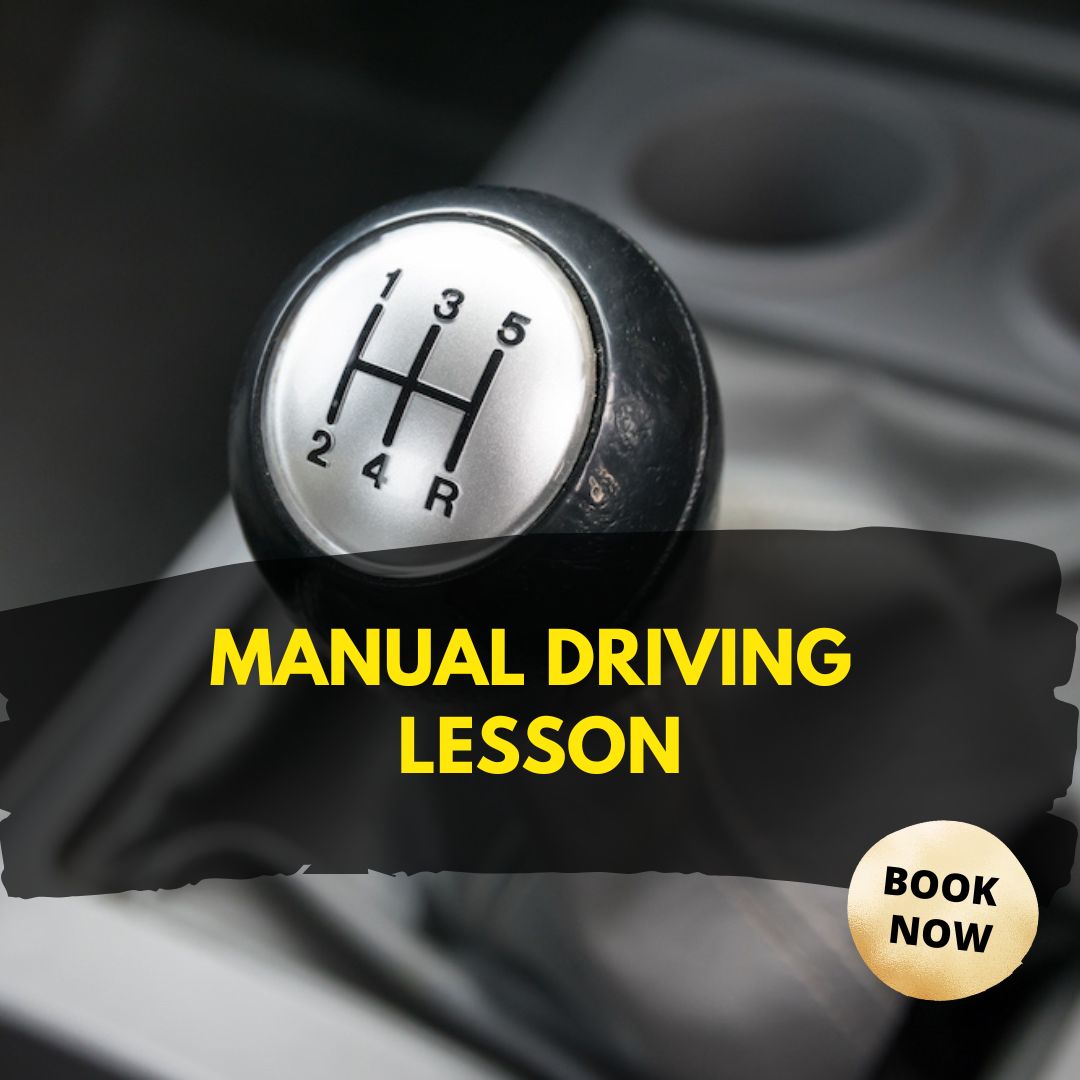
Before starting a manual driving lesson, it is important to understand the main controls. A manual car has three pedals: the clutch, brake, and accelerator. The clutch allows you to change gears, while the accelerator controls speed and the brake slows the car down. Getting used to pressing the clutch fully before changing gears is the first step toward learning how to drive a manual car. Learners should also become familiar with the gear stick, as shifting gears at the right time is essential for maintaining balance and control on the road.
Step by Step Guide to Driving a Manual Car
The first step is starting the engine with the clutch pressed and the gear in neutral. Once the car is on, you press the clutch again and shift into first gear. Slowly releasing the clutch while gently pressing the accelerator moves the car forward. This process takes practice because the wrong balance can cause the car to stall. As you build confidence, moving through second, third, and higher gears becomes easier. Driving in traffic requires frequent gear changes, which is why manual driving teaches strong coordination and road awareness. Hill starts and parking also demand extra practice, but with patience, these skills become natural.
Cost and Resources for Manual Driving Lessons
Many learners worry about the cost of manual driving lessons, but the reality is that packages are available to suit different budgets. Since manual cars can sometimes require more practice than automatic, it’s useful to plan your lessons in advance. A helpful resource for learners is how to drive automatic car which also explains useful comparisons between manual and automatic driving. Even though some people prefer the easier option of automatic, learning manual offers more flexibility in the long run. Local schools of motoring often provide competitive prices and experienced support, so you can progress at your own pace without extra stress.
Building Confidence on the Road
The most important part of learning to drive a manual car is building confidence through regular practice. Every lesson helps you improve your clutch control, gear changes, and awareness of traffic conditions. By practicing in local streets and gradually moving to busier roads, learners can handle different challenges step by step. A calm and supportive learning environment makes a big difference, which is why choosing a local school is always recommended. With consistent effort, learners not only pass their driving test but also become skilled and safe drivers for life.

